
Complete Guide to Selecting Premium Stainless Steel Coils, Sheets, and Plates
Complete Guide to Selecting Premium Stainless Steel Coils, Sheets, and Plates
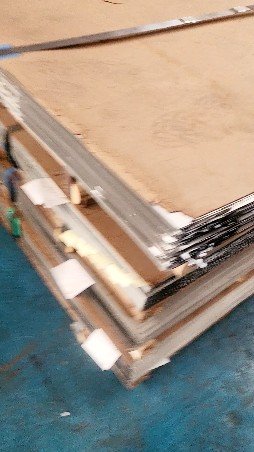

When it comes to modern manufacturing, construction, and heavy industry, selecting the right raw material isn't just a procurement step—it’s a critical engineering decision. Among the various metal options available, stainless steel stands out for its unmatched durability and corrosion resistance.
However, whether you should source a stainless steel coil, a stainless steel sheet, or a stainless steel plate depends entirely on your production line's requirements and the final application.
In this comprehensive guide, we’ll break down the key differences, grading systems, and essential buying factors to help you optimize your supply chain.
1. What is the Difference Between Stainless Steel Coil, Sheet, and Plate?
While they may share the same chemical composition (such as Grade 304 or 316), the mechanical forms of these materials dictate how they are processed.
Stainless Steel Coil: This is a continuous roll of stainless steel, typically produced in thinner gauges. Coils are the preferred choice for high-speed, automated manufacturing (such as stamping, roll-forming, and laser cutting) because they minimize material waste and allow for continuous feeding.
Stainless Steel Sheet: Typically under 6mm in thickness, sheets are flat pieces of metal. They are widely used in applications requiring a premium surface finish and flexibility, such as kitchen appliances, architectural cladding, and automotive panels.
Stainless Steel Plate: Generally thicker than 6mm, plates provide high structural integrity. They are designed for heavy-duty applications that withstand extreme pressure or structural loads, including storage tanks, bridges, chemical processing vessels, and marine equipment.
| Material Form | Thickness Range | Primary Processing Method | Best For |
| Stainless Steel Coil | Thinner (typically < 6mm) | Continuous automated stamping/forming | High-volume manufacturing, automotive parts, pipes |
| Stainless Steel Sheet | Thinner (< 6mm) | Fabrication, bending, laser cutting | Appliances, food equipment, architectural trim |
| Stainless Steel Plate | Thicker (≥ 6mm) | Heavy welding, structural machining | Storage tanks, industrial machinery, marine structures |
2. Choosing the Right Stainless Steel Grade: 304 vs. 316
To ensure your product lasts for decades, you must choose the correct steel grade based on its environmental exposure.
Grade 304: The Versatile Workhorse
As the most common austenitic stainless steel, Grade 304 contains high levels of chromium and nickel. It offers excellent formability, is easy to weld, and provides great corrosion resistance under normal atmospheric conditions. It is the go-to choice for food processing equipment and consumer goods.
Grade 316: The Marine-Grade Solution
If your project involves marine environments, chemical processing, or high-salinity exposure, Grade 316 is essential. It includes an addition of molybdenum, which drastically increases its resistance to pitting and chloride corrosion compared to 304.
3. Key Factors to Consider When Sourcing Stainless Steel
Before placing a bulk order with your steel supplier, make sure you have verified the following specifications:
Surface Finish: Options like 2B (mill finish), No. 4 (brushed), or BA (Bright Annealed) affect not only the appearance but also the cleanability and friction during forming.
Dimensional Tolerances: Precision matters. Ensure your supplier provides consistent gauge thickness across the entire length of the stainless steel coil or sheet to prevent machine jamming.
Certification & Traceability: Always request Mill Test Certificates (MTC) to verify the chemical and mechanical properties of the steel.
Conclusion: Partner with a Trusted Steel Supplier
Selecting the ideal stainless steel form—be it coil, sheet, or plate—is a balancing act between manufacturing efficiency, structural needs, and budget. By understanding your specific application and environmental challenges, you can prevent premature material failure and optimize production costs.
Are you planning your next manufacturing project?Contact our team of metal experts today to get a custom quote on premium stainless steel coils, sheets, and plates tailored to your exact specifications.