
Foam Aluminum Architectural Project
Foam Aluminum in Architectural Engineering: Lightweight Material for Modern Building Applications
Modern architecture increasingly requires materials that are lightweight, functional, durable, and visually distinctive.
Foam aluminum is an innovative metal material featuring a porous internal structure. Compared with conventional solid aluminum, its cellular structure can significantly reduce weight while providing useful properties for architectural and engineering applications.
For projects where weight reduction, sound absorption, energy management, or unique visual effects are important, foam aluminum can provide an alternative material solution.
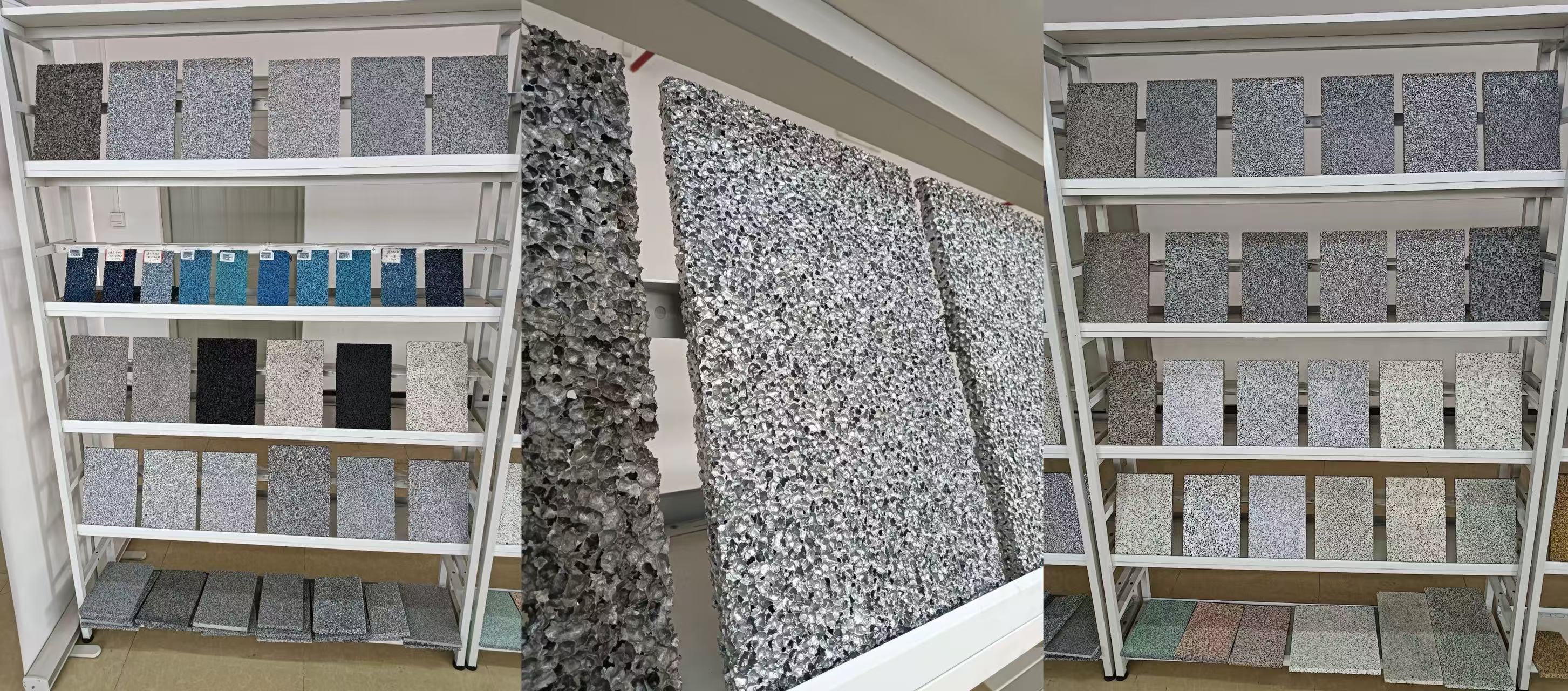
What Is Foam Aluminum?
Foam aluminum is an aluminum-based material containing a large number of internal pores.
The porous structure gives the material several distinctive characteristics, including:
Low density
Lightweight construction
Sound absorption potential
Energy absorption
Thermal insulation characteristics
Fire resistance associated with its metallic composition
Unique architectural appearance
The exact performance depends on the alloy, porosity, thickness, structure, and manufacturing process.
Lightweight Architectural Applications
Reducing the weight of building components can be valuable in architectural projects.
Foam aluminum can be considered for:
Decorative wall panels
Ceiling systems
Interior partitions
Acoustic panels
Architectural feature walls
Exhibition structures
Commercial interiors
Customized architectural components
Its lightweight structure can help reduce the load of certain non-structural decorative components.
Sound Absorption
One of the interesting characteristics of porous metal materials is their potential for acoustic applications.
Foam aluminum can be incorporated into architectural spaces where sound management is important, such as:
Offices
Conference rooms
Exhibition halls
Transportation facilities
Restaurants
Commercial interiors
Acoustic performance depends strongly on pore structure, thickness, installation method, and the overall acoustic system.
Unique Architectural Appearance
Foam aluminum has a distinctive cellular metallic appearance that can become part of the architectural design itself.
Instead of hiding the material, designers can use its porous structure as a visual feature.
It can be combined with:
Stainless steel
Aluminum profiles
Glass
Wood
Lighting systems
This creates opportunities for contemporary and industrial-style interiors.
Customized Foam Aluminum Solutions
Engineering projects often require customized dimensions and installation methods.
Foam aluminum can be supplied in different thicknesses and panel dimensions according to project requirements, subject to production capabilities.
Customers may provide:
Required panel dimensions
Thickness
Application
Surface requirements
Quantity
Installation concept
The final specification should be selected based on the project's structural, acoustic, thermal, and architectural requirements.
Combining Foam Aluminum with Stainless Steel and Aluminum
Modern architectural projects increasingly combine different metal materials.
Good Steel Group can support projects involving:
Stainless Steel + Aluminum + Foam Aluminum
For example, stainless steel can be used for frames and architectural details, aluminum profiles can provide supporting or decorative elements, while foam aluminum can be used as lightweight panels or acoustic components.
This combination can provide both functional and aesthetic benefits.
Conclusion
Foam aluminum is an interesting material for modern architectural and engineering applications because of its lightweight porous structure and distinctive appearance.
Its potential applications include acoustic panels, decorative walls, ceilings, partitions, exhibition structures, and other customized architectural components.
Good Steel Group provides customized metal solutions covering stainless steel products, stainless steel doors, aluminum products, and foam aluminum-related project solutions.
Have a project requiring lightweight architectural metal materials? Contact Good Steel Group to discuss your requirements.
📞 Contact FSGood Steel immediately to obtain a quote or technical consultation:
📧 Email – [sales@fsgoodsteel.com]
📱 Phone – [+86 18370137709]
💬 WhatsApp - [+86 18007093101]
🌐Website – www.fsgoodsteel.com