
Foam Aluminum Engineering & Acoustic Applications
Foam Aluminum Acoustic Panels: Applications in Commercial and Architectural Projects
Noise control has become an increasingly important consideration in modern buildings.
Offices, restaurants, hotels, conference centers, exhibition halls, transportation facilities, and public spaces all require effective approaches to managing sound.
Foam aluminum, with its porous cellular structure, is one of the metal materials that can be considered for acoustic and architectural applications.
Why Use Foam Aluminum for Acoustic Applications?
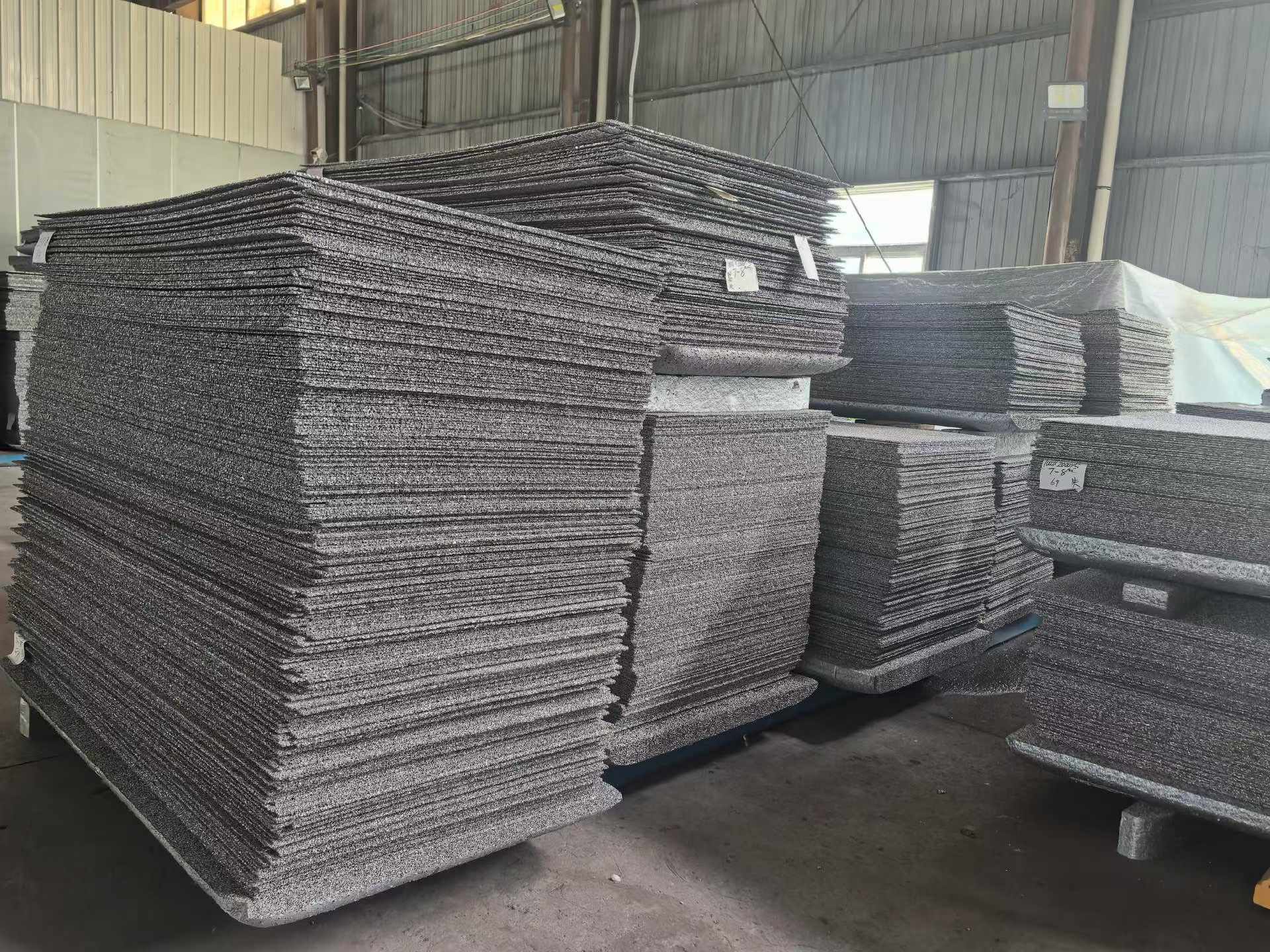
Foam aluminum contains interconnected or semi-closed pores depending on its manufacturing structure.
These pores can contribute to sound absorption under appropriate design conditions.
However, acoustic performance is not determined by the material alone.
Important factors include:
Porosity
Pore size
Panel thickness
Open or closed pore structure
Air gap
Installation method
Frequency range
Therefore, acoustic foam aluminum should be designed as part of an overall acoustic system.
Applications in Commercial Buildings
Foam aluminum acoustic panels can be considered for various environments.
Offices
Open-plan offices can suffer from excessive background noise and sound reflection.
Lightweight acoustic metal panels can be integrated into walls or ceilings as part of an overall sound management strategy.
Restaurants
Restaurants often require a balance between acoustic comfort and attractive interior design.
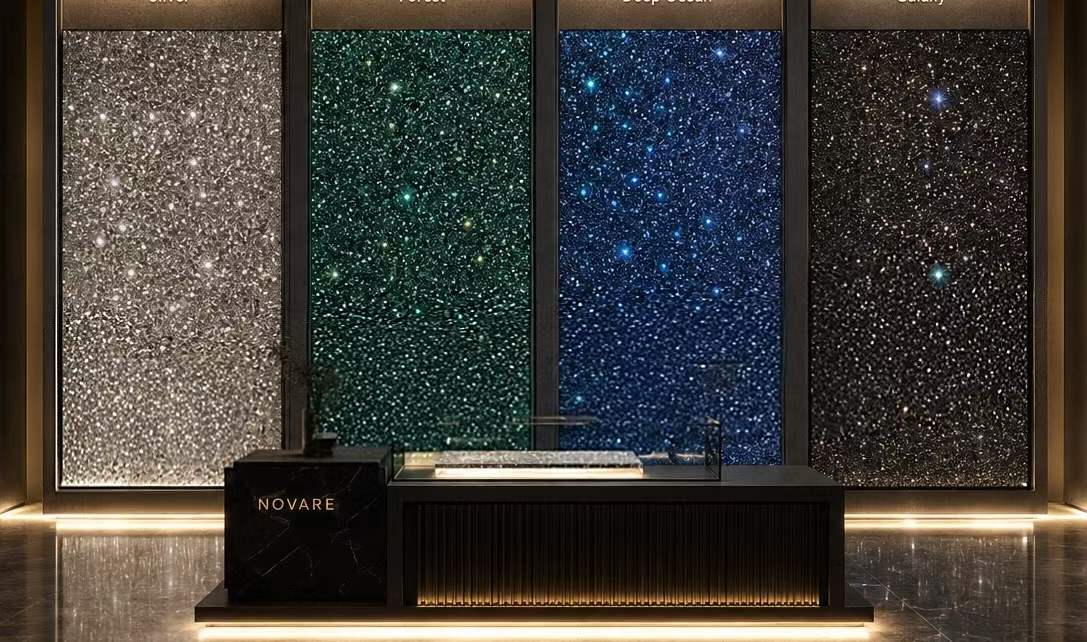
Foam aluminum can provide a distinctive metallic appearance while contributing to acoustic treatment when properly designed.
Hotels
Hotels require materials that combine aesthetics, durability, and functionality.
Foam aluminum can be considered for decorative acoustic wall and ceiling applications in selected areas.
Exhibition and Public Spaces
Large spaces can generate significant sound reflection.
Foam aluminum panels can be integrated into architectural designs to provide both visual effects and acoustic functionality.
Lightweight Construction
One of the major advantages of foam aluminum is its lightweight cellular structure.
Compared with solid metal panels of equivalent dimensions, foam aluminum can provide significant weight reduction depending on density and thickness.
This can be useful when designing:
Suspended ceilings
Large decorative panels
Interior wall systems
Exhibition structures
Lightweight architectural features
Fire and High-Temperature Considerations
As an aluminum-based metal material, foam aluminum does not behave like conventional organic acoustic foam.
Its fire performance should nevertheless be evaluated according to the specific product structure, alloy, surface treatment, and applicable building regulations.
For international projects, project-specific fire testing and certification should be considered where required.
Design Flexibility
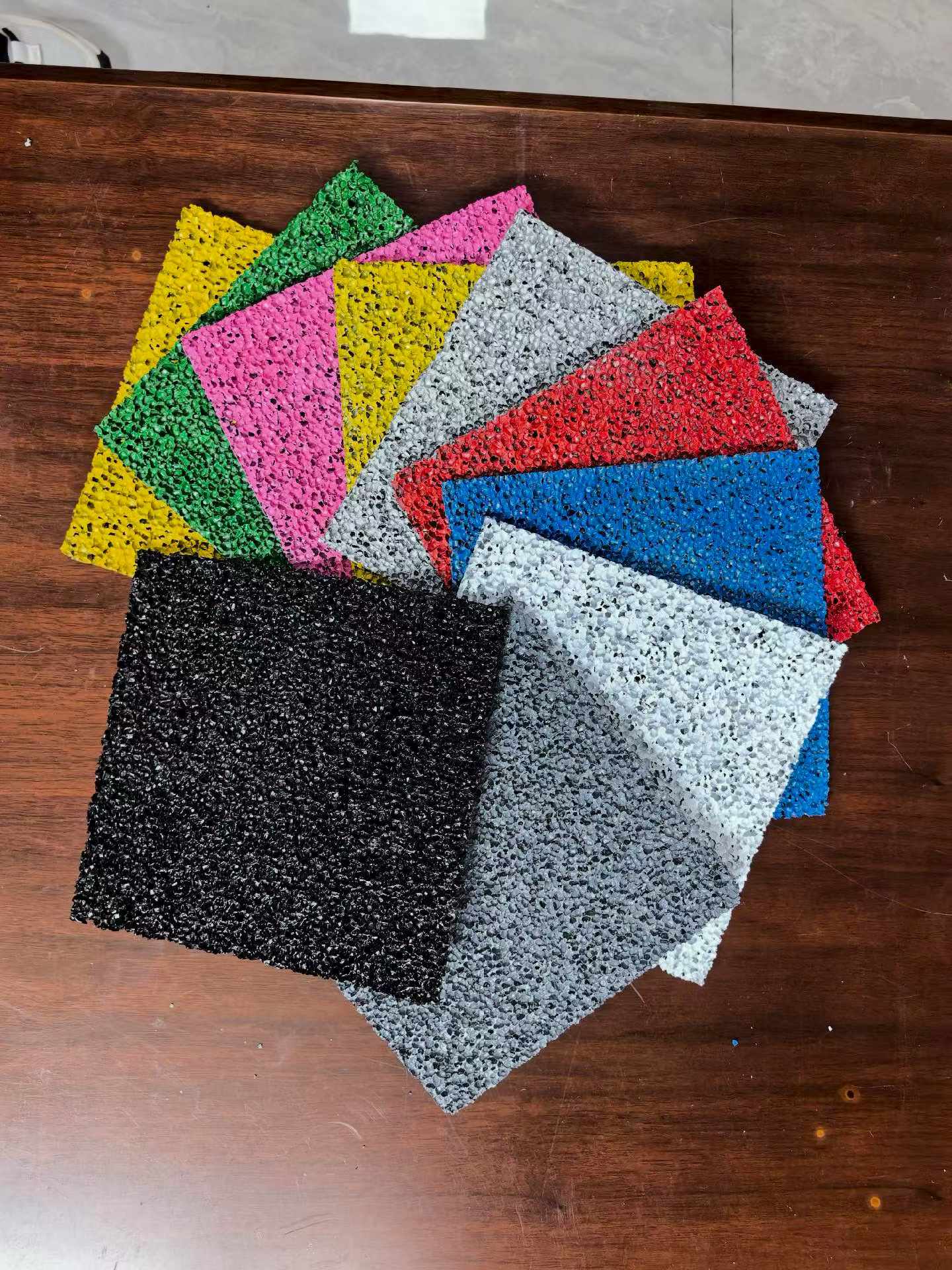
Foam aluminum does not have to look like a conventional acoustic panel.
Its cellular structure can become part of the architectural aesthetic.
It can be used together with:
Stainless steel frames
Aluminum profiles
LED lighting
Glass
Wood
Other decorative materials
This makes it particularly interesting for modern commercial and industrial-style interiors.
Custom Project Development
Good Steel Group can discuss customized foam aluminum requirements based on:
Panel size
Thickness
Density
Application
Acoustic requirements
Installation method
Quantity
For projects requiring different metal materials, we can also coordinate stainless steel and aluminum products as part of a broader metal supply solution.
Conclusion
Foam aluminum offers an alternative approach to combining architectural design with lightweight metal construction and potential acoustic performance.
Its applications can include commercial interiors, acoustic panels, ceilings, decorative walls, exhibition structures, and customized architectural projects.
The final material specification should always be selected according to the project's acoustic, structural, fire, and installation requirements.
Good Steel Group provides stainless steel, aluminum, and customized metal solutions for international architectural and engineering projects.
Send us your project drawings or requirements to discuss a suitable solution.