
430 Stainless Steel: Properties, Composition, and Applications
430 stainless steel is one of the most widely used ferritic stainless steels in the 400 series. Known for its excellent corrosion resistance, good heat resistance, and cost-effectiveness, it is commonly used in household appliances, architectural decoration, and industrial equipment.
At Foshan GoodSteel International Trading Co., Ltd., we supply highquality 430 stainless steel coils, sheets, and strips for global customers in construction, manufacturing, and engineering industries.
This guide explains the composition, properties, and applications of 430 stainless steel to help buyers and engineers better understand this versatile material.
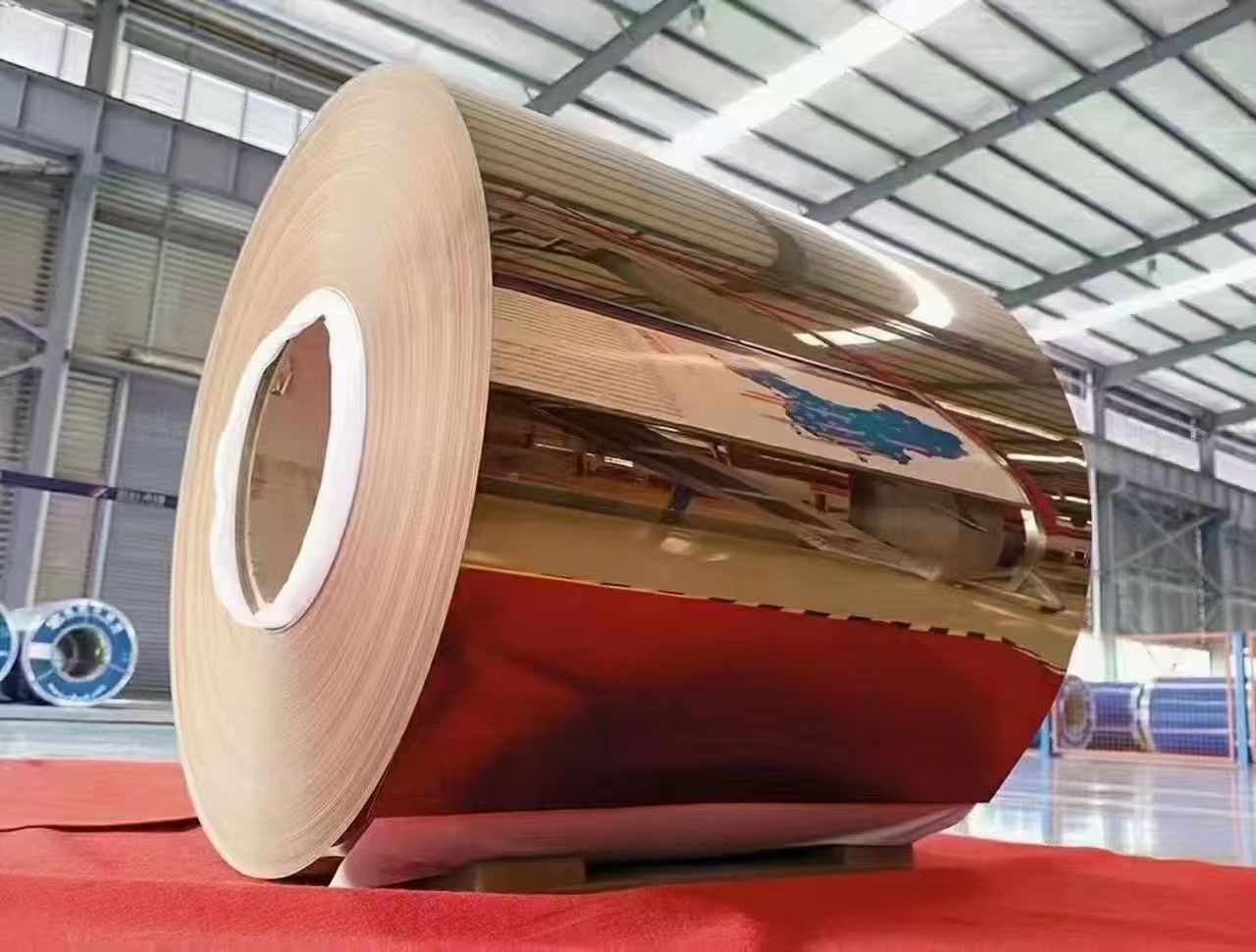
What Is 430 Stainless Steel?
430 stainless steel is a ferritic stainless steel grade belonging to the 400 series family. It is characterized by a relatively high chromium content and very low nickel content.
The alloy typically contains 16–18% chromium, which forms a protective oxide layer that helps the material resist corrosion. Unlike many austenitic stainless steels such as 304 or 316, 430 stainless steel contains little or no nickel, which significantly reduces its cost.
Because of this balance between performance and price, 430 stainless steel is widely used for general-purpose applications where moderate corrosion resistance is required.
Chemical Composition of 430 Stainless Steel
The chemical composition of 430 stainless steel typically includes the following elements:
| Element | Typical Content |
|---|---|
| Chromium (Cr) | 16–18% |
| Carbon (C) | ≤0.12% |
| Manganese (Mn) | ≤1.0% |
| Silicon (Si) | ≤1.0% |
| Phosphorus (P) | ≤0.04% |
| Sulfur (S) | ≤0.03% |
| Nickel (Ni) | ≤0.75% |
| Iron (Fe) | Balance |
Chromium is the key element that provides corrosion resistance by forming a protective oxide layer on the steel surface.
Mechanical and Physical Properties
430 stainless steel provides a balanced combination of mechanical strength, heat resistance, and workability.
Typical properties include:
| Property | Typical Value |
|---|---|
| Density | 7.7 g/cm³ |
| Yield Strength | ~345 MPa |
| Tensile Strength | ~517 MPa |
| Hardness | ~85 HRB |
| Elastic Modulus | 200 GPa |
| Melting Point | 1425–1510°C |
430 stainless steel also offers good oxidation resistance and can withstand intermittent temperatures up to around 815°C without significant scaling.
Key Advantages of 430 Stainless Steel
1. Cost-Effective Material
Because 430 stainless steel contains little or no nickel, it is significantly cheaper than many austenitic stainless steels such as 304 or 316.
2. Good Corrosion Resistance
The chromium content allows the material to resist corrosion in mild environments, water, and many atmospheric conditions.
3. Heat Resistance
430 stainless steel can maintain stability at elevated temperatures and resists oxidation well in high-temperature environments.
4. Excellent Formability
The alloy can be easily processed into sheets, coils, strips, and fabricated components through bending, stamping, or roll forming.
5. Magnetic Properties
Due to its ferritic microstructure, 430 stainless steel is magnetic, which makes it suitable for certain industrial and electronic applications.
Common Applications of 430 Stainless Steel
430 stainless steel is widely used in industries that require moderate corrosion resistance and good appearance.
Typical applications include:
Household Appliances
Refrigerator panels
Dishwasher liners
Kitchen equipment
Range hoods and ovens
Automotive Industry
Automotive trim and decorative components
Exhaust systems and mufflers
Architecture and Construction
Decorative panels
Door and window frames
Handrails and trim
Industrial Equipment
Storage tanks and containers
Chemical processing equipment
Pumps and valves
These applications benefit from the material’s durability, corrosion resistance, and attractive surface finish.
430 vs 304 Stainless Steel
The two most common stainless steel grades used in manufacturing are 430 and 304 stainless steel.
| Property | 430 Stainless Steel | 304 Stainless Steel |
|---|---|---|
| Structure | Ferritic | Austenitic |
| Chromium | 16–18% | 18–20% |
| Nickel | ≤0.75% | 8–10.5% |
| Corrosion Resistance | Moderate | Excellent |
| Cost | Lower | Higher |
Because 304 contains more nickel, it offers stronger corrosion resistance but is more expensive. 430 is often selected when cost efficiency is more important than extreme corrosion performance.
Is 430 Stainless Steel Magnetic?
Yes.
430 stainless steel is magnetic due to its ferritic crystal structure. This characteristic distinguishes it from many austenitic stainless steels like 304, which are generally non-magnetic.
430 Stainless Steel Products at GoodSteel
At Foshan GoodSteel International Trading Co., Ltd., we supply a wide range of 430 stainless steel materials for international customers, including:
430 stainless steel coil
430 stainless steel strip
customized stainless steel processing
Our materials are widely exported to Southeast Asia, the Middle East, and Africa for construction, manufacturing, and engineering applications.
Conclusion
430 stainless steel is a versatile ferritic alloy that offers an excellent balance between cost, corrosion resistance, and manufacturability.
Although it does not match the corrosion resistance of 300-series stainless steels, it remains an ideal solution for many applications such as appliances, architectural components, and industrial equipment.
For reliable supply and competitive prices, companies worldwide choose GoodSteel as their trusted stainless steel partner.